
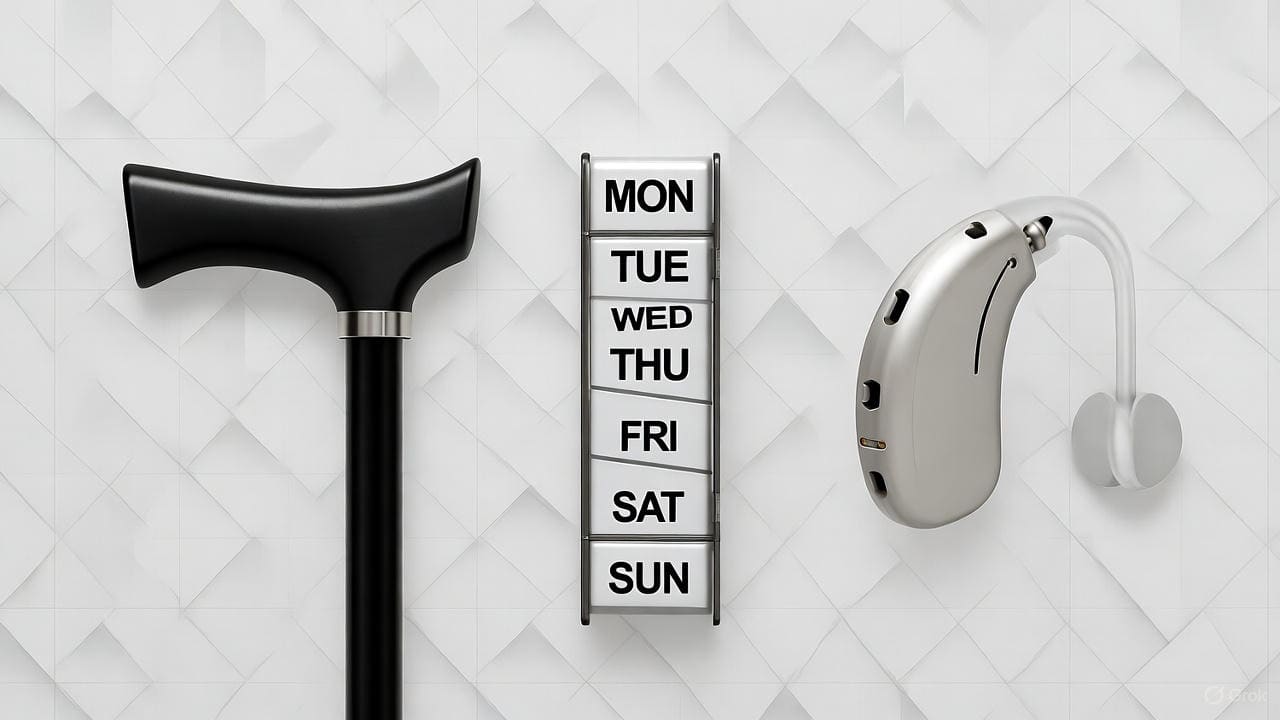
Getting older does not take away freedom or ease. Simple gadgets and easy habits make life safer and more enjoyable. Picture using clever things at home or outside that keep everything steady and flowing. Real stories show how small tweaks change the game, no matter the money or where someone lives. Learn secrets that bring calm and stop surprises, so life stays full of energy and fun. Keep reading to find out how to live every day with confidence and zest.
Some tools are inexpensive while others require a little planning. The most useful options reduce risks, simplify common tasks, and keep lines of communication open with friends and family. Read on to learn about items to keep at hand, how to set them up, and ways to build habits that preserve mobility and well being.
Home safety basics that cut fall risk and make rooms easier to use
Falls are a leading cause of injuries. A few targeted changes inside your home can lower that risk and make daily chores less stressful. Start with a room by room walk through and look for tripping hazards, poor lighting, and hard to reach items.
- Flooring and rugs. Use non slip rugs or secure mats at entryways and in front of sinks. Remove loose scatter rugs when possible and keep clear walking paths.
- Lighting. Add night lights in hallways and motion activated lights in closets. Aim for consistent, glare free lighting near stairs and bathroom areas.
- Handholds. Install grab bars near toilets and in showers. Place a sturdy rail on both sides of staircases where space allows.
- Seating. Keep a chair in places where you might need to rest such as the laundry room and kitchen. Look for chairs with armrests to help with standing.
Wearable devices and alert systems worth considering
Personal medical alert devices have improved in design and reliability. They range from lanyard style buttons to wristbands and small smart pendants. When selecting a device, think about range, whether it uses cellular networks, and if it has fall detection.
Types of alert services and features to compare
- Monitored systems that connect to a response center. These often provide 24 7 coverage and trained staff.
- Unmonitored systems that contact chosen family members or friends. These can be good for people who prefer local contacts and may be less costly.
- Fall detection features. Some devices detect sharp shifts and will call for help automatically. Test sensitivity settings to reduce false alarms.
- Location tracking. Useful when spending time outdoors or if memory issues are present. Verify privacy settings and battery life.
Practical tips when using a wearable alert device
Wear the device at all times when possible and keep it charged. If it requires monthly fees, set a calendar reminder for payments. Test the system at least once a week so both you and responders know how it works.
Medication and health management tools that reduce mistakes
Managing multiple prescriptions can be confusing. Pill organizers, combined with simple routines, will reduce missed doses and dangerous mix ups. There are many organizers that separate pills by day and time and also lock to prevent accidental double dosing.
- Weekly pill boxes with morning and evening compartments. Fill them on a set day to build routine.
- Automatic pill dispensers. These release the correct dose at preset times and can alert you when a dose is due.
- Medication lists. Maintain an up to date list of drugs, dosages, and prescribing doctors. Carry a copy in your wallet and have another saved digitally if you use a smartphone.
- Pharmacy services. Ask about blister packaging that separates doses for each administration time. Some pharmacies will call to remind you when a refill is due.
Home modifications that improve access and daily comfort
Small home projects can make a big difference for independence. You do not need a full remodel to make daily life easier. A handful of changes can reduce strain and make routine tasks manageable for longer.
Entry and mobility upgrades
- Ramps or threshold ramps to replace high steps at exterior doors. A single slope can make a difference for walkers or wheelchairs.
- Lever style door handles that are easier to operate than knobs. These reduce grip strain for people with hand conditions.
- Lower shelving in commonly used cabinets and pull out shelves in lower cupboards to limit bending and reaching.
Bathroom and kitchen adjustments
- Walk in or low threshold showers with a bench reduce the risk of slipping. Use a handheld shower head for comfort.
- Raised toilet seats make sitting and standing easier when mobility is limited.
- Non slip mats inside showers and stable shower chairs provide secure options during grooming.
Technology for staying connected and informed
Staying in touch with friends and health providers is key to aging with confidence. Modern smartphones and simple tablets offer video calls, medication reminders, and easy access to health portals. Even basic cell phones can be set up to speed dial key contacts.
- Video calls. Schedule regular check ins with family members to keep relationships active and to make it easier for someone to notice changes in behavior or appearance.
- Health apps. Use apps that track steps, sleep, and symptoms to share with your primary provider during visits.
- Emergency contacts. Set up medical ID information on your phone so first responders can view allergies and critical conditions from the lock screen.
If you want a concise overview of everyday safety items and practical set ups for home and travel please discover more on a resource that groups these tools by priority and cost.
Exercise, mobility gear, and staying active
Moving regularly supports balance, strength, and mood. Low impact exercises such as walking, water aerobics, and seated strength work are excellent options. Mobility aids can expand the range of activities that remain safe and comfortable.
- Walking poles or a cane for balance when outdoors. Choose a cane with a comfortable grip and a stable base.
- Rollators and walkers with seats provide rest points and storage for small items when you go out.
- Home exercise tools such as resistance bands support strength training without large equipment.
Consider joining local classes that focus on balance and fall prevention. Community centers and senior centers often offer instruction at low cost and with social benefits.
Nutrition, sleep, and everyday routines that protect health
Nutritional needs change with age. Protein intake, hydration, and micronutrients are important for muscle maintenance and overall vitality. Small changes in routine can lead to meaningful health benefits.
- Meal planning. Prepare meals that include lean protein, whole grains, and a variety of vegetables. Use a simple plan to reduce grocery trips and stress.
- Hydration. Keep a water bottle in key rooms. Set gentle reminders to sip regularly.
- Sleep hygiene. Maintain a consistent bedtime and a cool, dark bedroom to improve sleep quality. Limit stimulants late in the day.
Practical tips for choosing and maintaining tools
When selecting any product keep these core ideas in mind. First, try before you commit. Borrow or test a device at a store or community center. Second, read return policies and warranty details so you have options if it does not fit your needs. Third, plan for maintenance and battery changes to avoid unexpected failures.
- Start small. Add one tool or routine at a time and see how it feels before adopting something else.
- Ask for help during installation. Trusted family members or local contractors can install grab bars and rails safely.
- Keep instructions handy. Place a copy of device manuals in a labeled folder for caregivers or family members.
Cost is often a concern. Many local aging services or non profit organizations offer grants or loan programs that help cover the cost of ramps and safety equipment. Check local listings or call community centers for leads.
Finally, keeping an open line of communication with your health provider and loved ones helps you make timely adjustments to tools and routines. Regular reviews of what works and what does not will keep your plan practical and aligned with changing needs.
Getting the right tools in place reduces daily stress and supports independence. Start with a simple check list of priority items for your home and expand from there. Small steps build a safer, more comfortable daily life and help maintain social and physical activities longer. Take one action today whether it is installing a night light, testing a wearable alert, or calling a home modification specialist. Each item you add lowers risk and increases freedom. If you need guidance on which items to prioritize for your situation reach out to local services or health professionals and set a plan for gradual upgrades. Your next step can be as small as organizing a pill box or as involved as scheduling a mobility evaluation. Make a list, set a timeline, and involve friends or family for support. Living with fewer barriers is within reach, and taking practical steps now will pay off in daily comfort and safety.